Moving a trade show booth requires coordinated timing across warehouse storage, customized crating, dedicated freight transit, and convention center drayage. Exhibitors managing fixed move-in schedules must balance venue labor jurisdictions, equipment safety, and material handling expenses to prevent costly disruptions. Careful pre-show planning and structured post-show inventory inspections protect valuable display investments across repeated event cycles.
- Advance Warehouse Delivery Reduces Risk: Delivering freight to the advance warehouse 2 to 3 weeks ahead protects against transit delays and guarantees booth crates arrive on the show floor before exhibitor move-in begins.
- Pack in Reverse Assembly Order: Arrange crates so flooring and structural frames unpack first, with delicate electronics and branded signage accessed last.
- Understand Venue Labor Jurisdictions: Familiarize your team with venue-specific union work rules for electrical, rigging, and display assembly before arriving at the dock.
- File Outbound Paperwork Early: Complete outbound shipping documentation and bills of lading promptly at the exhibitor services desk to avoid expensive forced freight assignments.
- The Warehouse: Where Trade Show Logistics Begins
- Pre-Show Planning: Turning Exhibition Requirements Into a Logistics Strategy
- Packing and Crating: Protecting the Booth Before Departure
- Transportation: Moving Exhibition Materials Across a Time-Sensitive Network
- Arrival at the Convention Center: Receiving and Material Handling
- Booth Installation: Transforming Packed Components Into a Branded Space
- During the Exhibition: Maintaining Performance and Managing Assets
- Dismantling and Return Shipping: Completing the Exhibition Cycle
- Post-Show Warehouse Operations: Preparing for the Next Event
- Cost Management and Sustainability: An Efficient Exhibition Program
- Key Logistical Milestones: Quick Reference
Trade shows offer businesses an opportunity to introduce products, develop industry relationships, and compete for attention in crowded markets. Behind the polished displays, carefully arranged lighting, and branded presentations lies a complex logistical process that begins long before exhibitors arrive at a convention center.
Every booth must move through a coordinated sequence of storage, preparation, packing, transportation, installation, and eventual return. The success of an exhibition often depends as much on these behind-the-scenes operations as it does on the products being presented.
Transporting a trade show booth involves more than loading display materials onto a truck and delivering them to an exhibition venue. Booth components may include custom-built structures, fragile electronics, promotional merchandise, lighting systems, furniture, and specialized equipment that require different handling procedures.
Each shipment must arrive within a designated delivery window, comply with venue regulations, and remain organized enough for installation crews to work efficiently. Even minor disruptions can create substantial challenges when exhibitors operate against fixed event schedules.
Understanding the journey from warehouse to convention center reveals how logistics influences the broader economics of trade show participation. Businesses invest significant resources in exhibition design, marketing, staffing, and travel, making reliable transportation an important part of protecting that investment. A well-managed process reduces uncertainty, controls unnecessary expenses, and helps exhibitors concentrate on building meaningful connections with prospective customers.
The Warehouse: Where Trade Show Logistics Begins
The journey of a trade show booth typically begins in a warehouse, where display structures and supporting materials are stored between events. For businesses that attend multiple exhibitions annually, this facility functions as more than a temporary holding area.
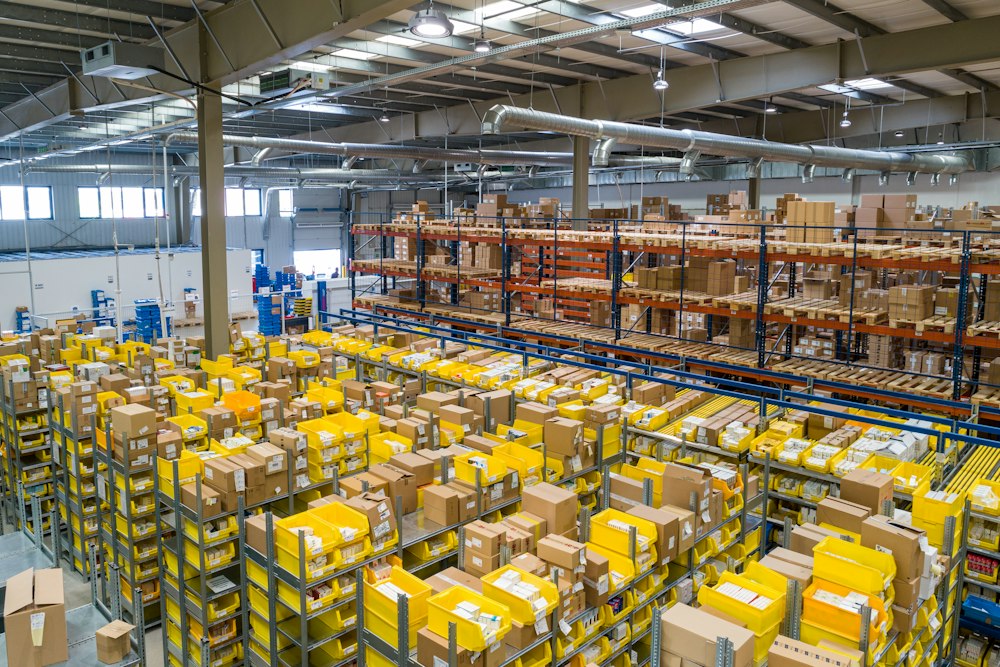
It serves as an operational center where booth components are inventoried, inspected, maintained, and prepared for their next destination. Effective warehouse management establishes the foundation for a successful exhibition by ensuring that materials remain accessible, organized, and ready for shipment.
Trade show booths often contain modular panels, flooring systems, illuminated signage, display counters, audiovisual equipment, and numerous smaller accessories. Each component has a specific purpose, and missing even one essential item can compromise the finished installation.
Warehouse teams generally rely on inventory records, identification labels, and designated storage locations to track these materials. More sophisticated operations may use barcode systems or digital inventory platforms to document item movements, monitor equipment conditions, and reduce the likelihood of errors during preparation.
Storage conditions also play an important role in protecting exhibition assets. Fabric graphics can deteriorate when exposed to excessive moisture, electronic equipment may suffer from poor environmental conditions, and structural elements can become damaged through improper stacking.
Appropriate shelving, protective containers, and designated handling procedures help preserve materials throughout repeated exhibition cycles. By treating warehouse storage as an integral part of trade show planning, businesses can extend the useful life of their displays while avoiding preventable replacement expenses.
Pre-Show Planning: Turning Exhibition Requirements Into a Logistics Strategy
Moving a trade show booth between storage facilities and exhibition venues requires careful planning around transport schedules, venue regulations, and equipment handling. Convention centers establish strict delivery windows, dock procedures, and installation deadlines.
Across New England, exhibitors traveling between event hubs such as Portland, Manchester, and Boston must navigate regional routes, traffic conditions, and varying loading dock arrangements. Booth dimensions, crate weights, and limited move-in hours require dependable transportation planning.
For businesses operating across Maine, New Hampshire, and Massachusetts, coordinating shipments between storage depots and convention halls becomes especially demanding during overlapping event seasons.

Allen & Coles Moving Systems
New England Commercial Moving & Exhibition Logistics • Est. 1986
For businesses coordinating exhibition freight across Maine, New Hampshire, and Massachusetts, regional moving partner Allen & Coles provides commercial storage, climate-controlled warehousing, and scheduled venue deliveries. Their specialized trade show shipping and exhibition logistics services are relevant to exhibitors managing tight arrival deadlines and equipment handling between storage facilities and major event venues.
Scheduled Dock Deliveries
Warehouse Staging
Time-Sensitive Freight
Clear communication among exhibitors, transportation carriers, warehouse crews, and event organizers keeps deliveries on schedule. Each participant should understand shipment contents, transit timelines, and unloading responsibilities.
A detailed plan documents handling requirements, confirms venue restrictions, and sets procedures for addressing delays. Verifying material handling and labor rules before departure prevents unexpected scheduling conflicts and helps control expenses.
Packing and Crating: Protecting the Booth Before Departure
Once the logistics plan has been established, attention shifts to preparing the booth for transportation. Trade show displays present unique packing challenges because they often combine heavy structural materials with delicate decorative elements and electronic equipment.
Standard shipping boxes may provide adequate protection for promotional materials, but custom-built panels, glass displays, and precision equipment frequently require specialized containers. The packing process must balance protection, weight, accessibility, and the practical demands of repeated handling.
Reusable shipping crates are common in the exhibition industry because they provide a durable way to transport valuable display components. These containers can be designed with internal padding, reinforced corners, removable compartments, and secure fastening mechanisms.
Properly constructed crates help prevent movement during transit and protect equipment from impacts associated with loading, unloading, and warehouse handling. Although custom crating may involve a higher initial expense, it can provide long-term value when the same exhibition materials travel to numerous events.
Packing efficiency also affects the installation process at the convention center. Equipment should be organized according to the order in which it will be assembled, rather than packed solely according to available space.
Clearly marked containers, component checklists, and corresponding installation diagrams allow crews to locate materials without unpacking every crate. This approach reduces unnecessary handling, limits the opportunity for damage, and makes it easier to confirm that the shipment is complete before transportation begins.
Transportation: Moving Exhibition Materials Across a Time-Sensitive Network
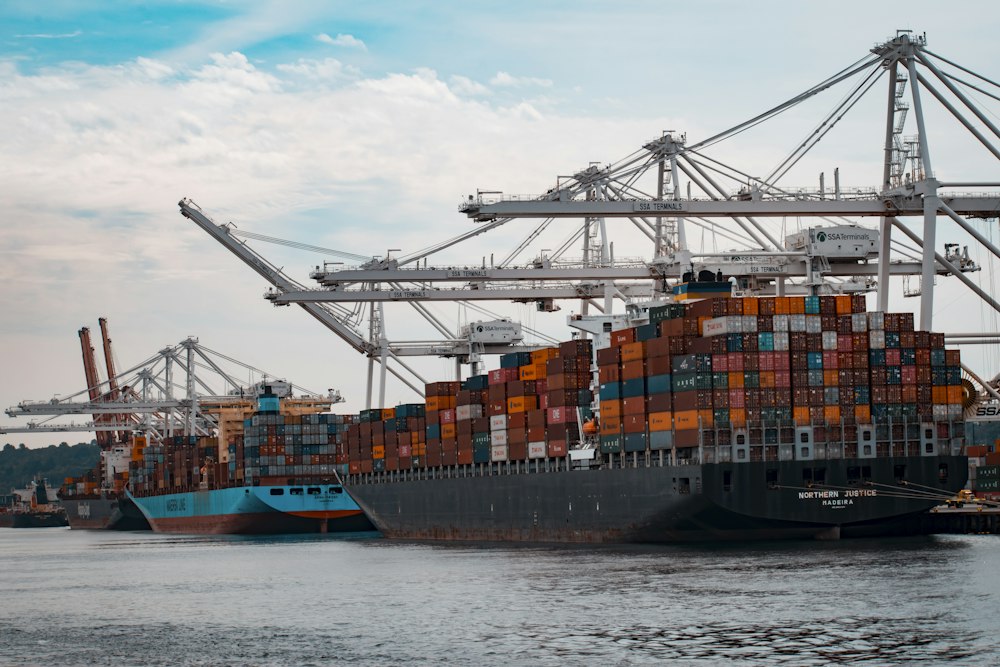
Transportation is one of the most consequential stages in the journey of a trade show booth. Unlike many commercial shipments, exhibition materials must often arrive during narrow windows established by event organizers.

A delivery that reaches the destination several days early may require additional storage arrangements, while a late arrival can interfere with installation and jeopardize an exhibitor’s participation. Transportation planning therefore involves careful coordination between departure schedules, transit conditions, and venue receiving procedures.
The most suitable transportation method depends on shipment size, distance, equipment sensitivity, and delivery urgency. Smaller displays may travel through freight networks, while larger custom booths can require dedicated trucks with specialized loading capabilities.
Businesses must evaluate whether consolidated shipping offers sufficient scheduling flexibility or whether direct transportation provides better control over arrival times. Factors such as shipment dimensions, handling requirements, and potential transfer points can influence both costs and exposure to damage.
Long-distance exhibition transportation introduces additional variables, including traffic congestion, severe weather, mechanical problems, and changes in delivery appointments. Logistics providers may use shipment tracking technology and ongoing communication with drivers to monitor progress and respond to emerging problems.
Contingency planning is especially important for businesses attending consecutive trade shows with limited time between events. Maintaining realistic transit schedules and identifying alternative arrangements can help protect exhibitors from disruptions that would otherwise threaten their event commitments.
Arrival at the Convention Center: Navigating Receiving and Material Handling
Reaching the convention center does not necessarily mean the booth has reached its assigned exhibition space. Large venues operate under detailed receiving procedures designed to coordinate hundreds or thousands of shipments arriving within a concentrated period.
Trucks may be directed to designated staging areas before receiving permission to approach loading docks. Drivers and logistics coordinators must follow venue instructions, present the appropriate shipment documentation, and comply with event-specific delivery requirements.
One important consideration is the distinction between direct-to-show delivery and advance warehouse delivery:
- Direct-to-Show Delivery: Exhibition materials arrive directly at the convention center during the scheduled move-in window. This eliminates secondary handling but requires precise arrival timing to avoid dock congestion.
- Advance Warehouse Delivery: Shipments arrive at the general contractor’s designated warehouse up to 30 days before the event. Materials are subsequently transferred to the booth floor prior to exhibitor arrival, offering greater scheduling security.
Material handling charges can represent a significant portion of exhibition logistics expenses. Often referred to as drayage, these charges generally cover receiving freight, transporting it from the dock or advance warehouse to the booth space, handling empty containers, and returning materials for outbound shipment.
Rates and billing methods vary by event, venue, contractor, shipment weight, and handling conditions. Exhibitors who review these requirements before shipping can better forecast expenses and avoid misunderstandings about which services are included in their transportation arrangements.
Booth Installation: Transforming Packed Components Into a Branded Environment
After delivery to the assigned exhibition space, the booth enters the installation phase. What previously existed as separate crates, panels, graphics, and equipment must now become a coordinated environment designed to attract and engage visitors.
Installation crews may need to assemble structural frameworks, position flooring, mount displays, connect lighting, and arrange furniture within a restricted schedule. The complexity of this process depends on the booth’s design, size, technical requirements, and the rules governing labor at the venue.
Convention centers and trade show organizers frequently impose regulations affecting who can perform certain installation tasks. Depending on the location and event, specialized labor may be required for electrical work, rigging, material handling, or particular construction activities.
Exhibitors must understand these restrictions before arriving because unauthorized work can lead to delays or additional charges. Clear installation plans, accurate diagrams, and properly sequenced materials make it easier for contractors to coordinate their responsibilities while complying with venue requirements.
Quality inspections are essential before the exhibition opens to attendees. Booth managers should verify that signage is positioned correctly, graphics are undamaged, lighting functions as intended, and electronic displays operate reliably.
Structural components must be secure, walkways should remain unobstructed, and cables must be managed appropriately to reduce safety risks. Completing these checks with adequate time for corrections allows exhibitors to present a professional environment without relying on last-minute repairs.
During the Exhibition: Maintaining Performance and Managing Booth Assets
Once the trade show begins, attention naturally shifts toward marketing, product demonstrations, and business development. However, logistical responsibilities do not disappear when the exhibition floor opens.
Booth equipment must remain functional throughout the event, promotional supplies need to be accessible, and personnel must respond quickly when displays or technology require attention. The operational condition of the booth directly influences visitors’ impressions of the company and its ability to deliver a consistent brand experience.
Technical failures can be particularly disruptive at exhibitions that depend on interactive screens, digital presentations, and specialized demonstration equipment. A malfunctioning display may interrupt scheduled presentations, while damaged lighting or missing accessories can weaken the visual impact of the installation.
Exhibitors can reduce these risks by maintaining spare components, documenting equipment configurations, and identifying technicians who can address problems promptly. Routine inspections before the exhibition opens each day can help detect small issues before they affect visitors.
Inventory management also continues throughout the event. Brochures, product samples, branded merchandise, and demonstration materials may be distributed rapidly, making consumption difficult to predict without basic tracking procedures.
Booth teams benefit from recording remaining quantities and separating materials intended for daily use from those reserved for later exhibition periods. This information not only supports smoother event operations but also improves forecasting for future shows by revealing which materials were most valuable and which were overproduced.
Dismantling and Return Shipping: Completing the Exhibition Cycle
The conclusion of a trade show begins another demanding logistical phase. Booth structures must be dismantled, equipment packed, and shipping arrangements completed within the move-out deadlines established by event organizers.
In many cases, multiple exhibitors are attempting to remove materials simultaneously, creating congestion around freight elevators, loading areas, and transportation staging points. Successful dismantling requires the same level of organization and attention to detail as the original installation.
The dismantling process should follow a documented sequence that protects reusable components and supports efficient packing. Electronic equipment is generally disconnected and secured before surrounding structures are taken apart, while fragile graphics and decorative elements require careful removal.
Crews should inspect equipment for visible damage, account for accessories, and place components in their designated containers. Maintaining accurate packing records helps prevent smaller items from being misplaced during a period when employees and contractors may be working under considerable time pressure.
Outbound shipping arrangements require particular attention because material handling procedures may differ from those used during arrival. Exhibitors often must complete outbound shipping documents, identify their transportation provider, and ensure that packed materials are ready for pickup according to the event’s instructions.
Failure to coordinate these details can result in delays or additional transportation and forced freight handling costs. Once the shipment leaves the venue, tracking and communication remain important until the equipment reaches its warehouse or next exhibition destination.
Post-Show Warehouse Operations: Preparing for the Next Event
Returning the booth to storage marks the end of one exhibition but often begins preparation for the next. Warehouse personnel should compare returned materials against the original inventory to identify missing components, shipping damage, or equipment that requires maintenance.
This inspection is especially valuable because damage may not become obvious until items are removed from their protective containers. Addressing problems immediately reduces the likelihood of discovering equipment failures shortly before another scheduled trade show.
Post-event maintenance may involve cleaning fabric graphics, repairing structural components, testing electronic systems, and replacing worn packing materials. Booth designs also evolve as businesses introduce new products, update branding, or adjust their exhibition strategies.
Warehouses that maintain accurate records of equipment condition and modification history make these changes easier to manage. Rather than repeatedly purchasing replacement materials, companies can often preserve existing assets through routine maintenance and selective upgrades.
The post-show period also provides an opportunity to evaluate logistics performance. Businesses can review freight invoices, material handling expenses, installation costs, damage reports, and delivery timelines to determine where improvements are possible.
Comparing these figures across multiple events may reveal recurring inefficiencies, such as excessive shipping volume, unnecessary rush services, or poorly organized packing procedures. This analysis supports more informed budgeting and allows exhibitors to improve their logistics strategies as their trade show programs expand.
Cost Management and Sustainability: Building a More Efficient Exhibition Program
The financial implications of trade show logistics extend well beyond the original transportation invoice. Businesses must account for warehouse storage, packing supplies, crating, freight charges, material handling, installation labor, insurance, and return shipping.
Costs can increase when shipments require expedited service, specialized equipment, or additional handling at intermediate locations. A comprehensive budget should therefore examine the entire equipment journey rather than treating transportation as an isolated expense.
One way to control spending is to design exhibition assets with transportation efficiency in mind. Modular displays that can be disassembled into manageable components may require less cargo space and can simplify installation. Reusable crates, standardized hardware, and carefully organized accessories can also reduce the need for replacement materials and repeated packing adjustments.
Businesses that participate in numerous exhibitions may benefit from comparing the cost of transporting one adaptable booth against maintaining several regionally stored display systems.
Sustainability is becoming another consideration in exhibition logistics as companies examine the environmental impact of their marketing activities. Reusing booth structures, repairing damaged components, minimizing disposable materials, and consolidating shipments where practical can reduce waste and transportation demands.
Durable construction and thoughtful packaging may also extend the useful life of exhibition equipment, lowering the frequency of replacement purchases. These practices demonstrate that operational efficiency and environmental responsibility can reinforce one another when businesses plan their trade show programs over multiple years.
Key Logistical Milestones: Quick Reference
| Stage | Core Operational Focus | Common Bottleneck | Mitigation Strategy |
|---|---|---|---|
| 1. Warehouse Prep | Inventory audit, component labeling & electrical testing | Missing brackets or damaged cables | Conduct a full pre-ship staging inspection |
| 2. Packing & Crating | Custom shock-absorbing crates & sequential packing | Transit shifting & crate overweight fees | Pack components in reverse order of assembly |
| 3. Freight Transit | Carrier dispatch, route tracking & dock appointment booking | Traffic delays & missed arrival windows | Build buffer days or opt for advance warehouse delivery |
| 4. Venue Receiving | Marshaling yard check-in, unloading & drayage movement | Surprise overtime drayage surcharges | Verify union labor boundaries and straight-time dock hours |
| 5. Installation | Structural framework, flooring, lighting & tech setup | Jurisdictional labor restrictions | Pre-wire electronics and provide clear assembly diagrams |
| 6. Dismantle & Return | Safe tear-down, outbound bill of lading & carrier pickup | Forced freight when designated carriers miss curfew | Submit outbound bills of lading to the service desk early |
Sourcing Wholesale Products & Logistics Partners?
Explore thousands of verified suppliers, 3PL warehouses, and commercial trade distributors in our comprehensive business directory.