Repayment is often viewed as the final stage of borrowing, yet it becomes relevant long before the funds are received. Understanding how repayments fit into a monthly budget helps reduce financial pressure and makes borrowing easier to manage over the entire loan period.
In the Philippines, repayment conditions vary between lenders. The repayment schedule, total amount payable, and available payment methods depend on the financial institution and the specific loan agreement. Looking at these elements together provides a more realistic picture than focusing only on the approval process.
A practical repayment plan starts with confirmed income instead of expected future earnings. This approach creates more stability throughout the repayment period.
Different repayment schedules serve different financial situations
Not every borrower receives income on the same date or with the same frequency. Some people are paid every two weeks, others once a month, while self-employed workers may receive income at irregular intervals.
For this reason, repayment schedules should always be considered alongside actual cash flow. A repayment date that fits naturally within the income cycle generally creates fewer financial difficulties than one selected without considering future obligations.
Four details worth reviewing before accepting the agreement
Several practical points deserve attention before confirming any borrowing decision.
- The total repayment amount.
- The repayment schedule.
- Available payment methods.
- Conditions that apply if a payment is delayed.
These elements provide a clearer understanding of future responsibilities and help avoid unnecessary surprises after the funds have already been received.
Small borrowing decisions often shape the repayment experience
The approved amount does not always represent the most suitable borrowing decision. Choosing an amount that closely matches the actual expense usually creates a repayment plan that is easier to maintain.
This principle becomes especially important when monthly expenses already include rent, utilities, transportation, education costs, and other regular financial commitments. Borrowing beyond the actual need increases future repayment obligations without necessarily solving additional problems.
Ten practical habits that support smoother repayment
- Borrow only what is needed.
- Compare the repayment date with the next confirmed income instead of relying on expected future earnings.
- Keep a copy of the loan agreement.
- Review the total repayment amount before accepting the terms.
- Leave enough room in the monthly budget for essential household expenses.
- Check whether early repayment is available and understand how it is handled under the agreement.
- Set a reminder before every due date.
- Avoid taking another short-term loan simply to repay an existing one unless every cost has been carefully reviewed.
- Track previous borrowing decisions from time to time because repeated short-term borrowing may indicate that the household budget needs adjustment.
- Read every important condition before submitting the application, even when the process appears straightforward.
These habits require little effort, yet they often make repayment more predictable throughout the borrowing period.
Three everyday situations where repayment planning makes a difference
A salaried employee in the Philippines faces an unexpected medical expense a few days before payday. Instead of requesting the highest available amount, only the necessary cost is covered, allowing repayment to fit comfortably after the next salary is received.
A small business owner experiences a temporary delay in customer payments. Before applying, regular business expenses are reviewed to confirm that loan repayment will not interfere with operating costs once revenue arrives.
A household appliance suddenly stops working. While replacement is urgent, the family budget is examined first. The repayment schedule is chosen to match confirmed income instead of estimated future earnings.
Each situation is different, yet careful planning produces a similar result: repayment remains manageable because it was considered before borrowing.
Understanding available repayment options
Repayment methods differ between lenders operating in the Philippines. Depending on the agreement, payments may be completed through bank transfers, digital payment services, partner payment channels, or other supported methods.
Choosing a repayment method that is convenient and easy to access reduces the likelihood of missed deadlines. Reliable access to the selected payment channel can be just as important as the repayment amount itself.
Looking beyond the due date
Completing one payment does not end the importance of financial planning. Every repayment influences the household budget until the loan has been fully settled.
A realistic repayment schedule leaves enough room for regular expenses while reducing the need to make sudden financial adjustments later. This approach helps keep borrowing under control instead of allowing it to become part of routine monthly spending.
Repayment decisions become part of broader financial planning
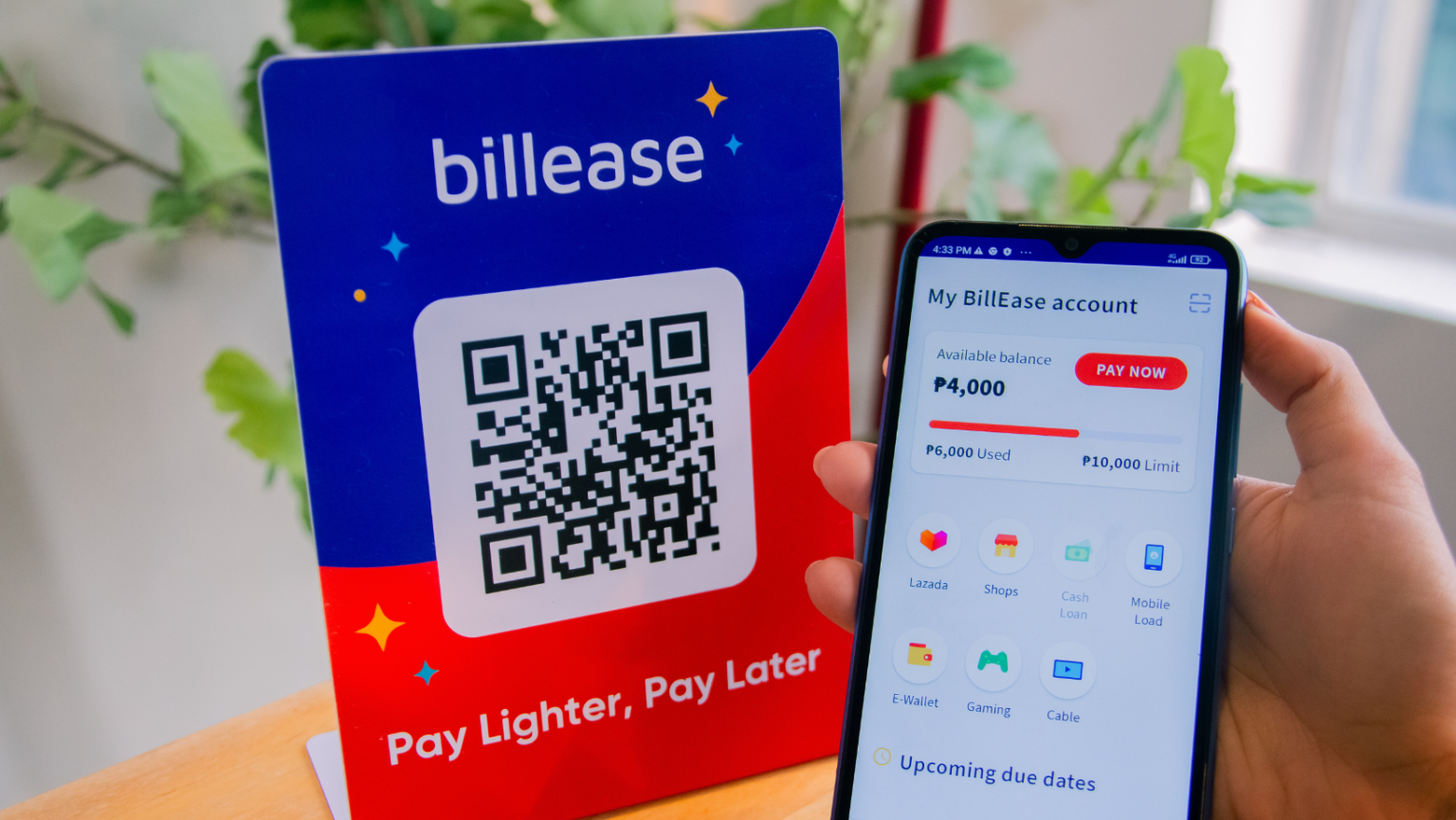
The phrase BillEase Loan appears in discussions about short-term financing in the Philippines, but the same practical principles apply regardless of the specific lender. The repayment amount, the payment schedule, and the ability to meet every due date remain more important than the speed of approval alone.
Careful planning before borrowing usually leads to fewer repayment difficulties afterward. When the loan amount reflects the actual financial need and repayment fits naturally within existing income, short-term financing becomes significantly easier to manage.